

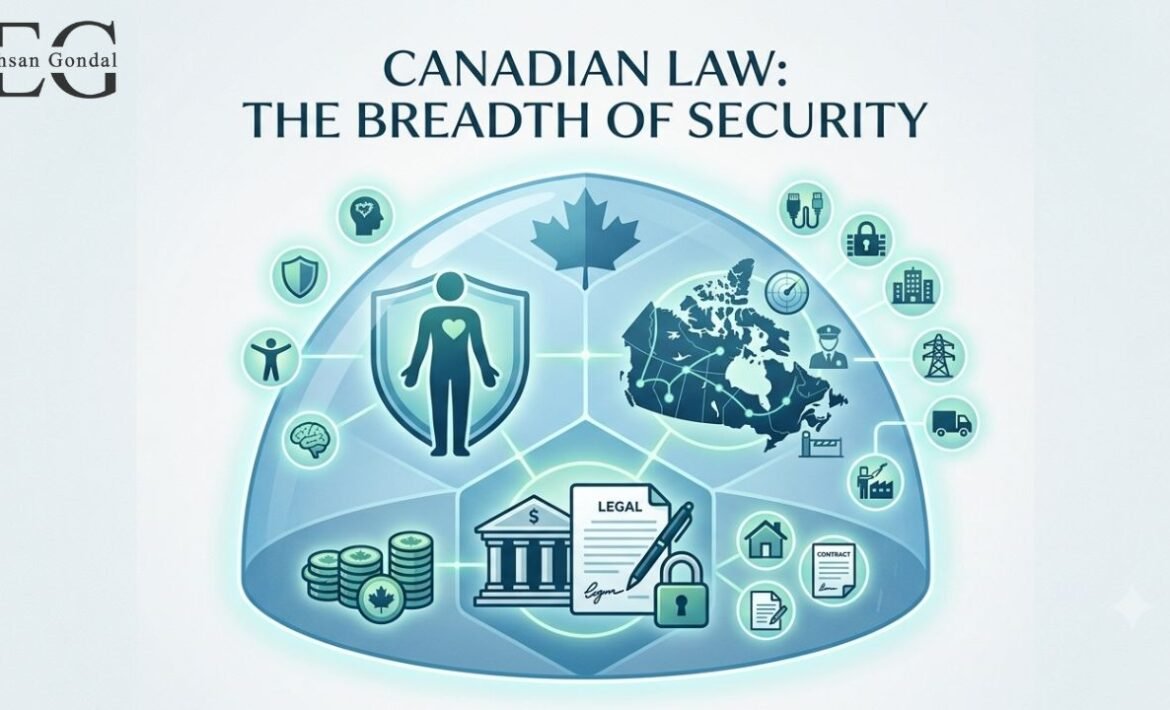

Canadian securities law uses a broad and flexible definition of what a “security” is. The idea that “a security is what the law says it is” shows a deliberate approach by lawmakers. Instead of limiting the definition, the law is designed to cover many types of investments, including new and modern financial arrangements.
Broad Legislative Definition
Canadian laws define securities using open and inclusive language. They list common instruments like shares and bonds but also include investment contracts and profit-sharing arrangements. This allows the law to adapt to new financial products without needing constant updates. Once something is considered a security, it must follow rules like disclosure and registration to protect investors.
Why Overbreadth Matters
The wide definition of securities is intentional and beneficial. It helps prevent companies from avoiding regulation by changing the structure or name of their investment schemes. A narrow definition would create loopholes. The broad approach ensures better investor protection, especially in modern areas like digital assets and new financial technologies.
Judicial Approach: Substance Over Form
Canadian courts support this flexible system by focusing on the real nature of a transaction rather than its label. Courts do not accept attempts to avoid regulation by renaming an agreement. Instead, they look at whether people are investing money with the expectation of profit based on others’ efforts.
Pacific Coast Coin Case
In this important case, the Supreme Court of Canada explained how to identify an investment contract. The key factors include an investment of money, expectation of profit, and reliance on the efforts of others. The Court emphasized flexibility by stating that profits must come significantly, not solely, from others’ efforts.
Stevenson Case
The Stevenson decision followed the same approach. The court looked beyond the description of the agreement and focused on its economic reality. This confirms that courts consistently apply a substance-over-form principle.
Adaptability of Securities Law
The combination of broad laws and flexible interpretation makes Canadian securities law adaptable. It can respond to new financial innovations without constant legal changes. This ensures that investor protection remains strong even as markets evolve.
Conclusion
In conclusion, the broad definition of “security” in Canadian law is intentional and necessary. It helps protect investors, prevents misuse of legal loopholes, and allows the law to keep up with financial innovation. Canadian securities law focuses on purpose and substance rather than strict technical definitions.
Credits go to: ( https://ca.topclassactions.com/ )