

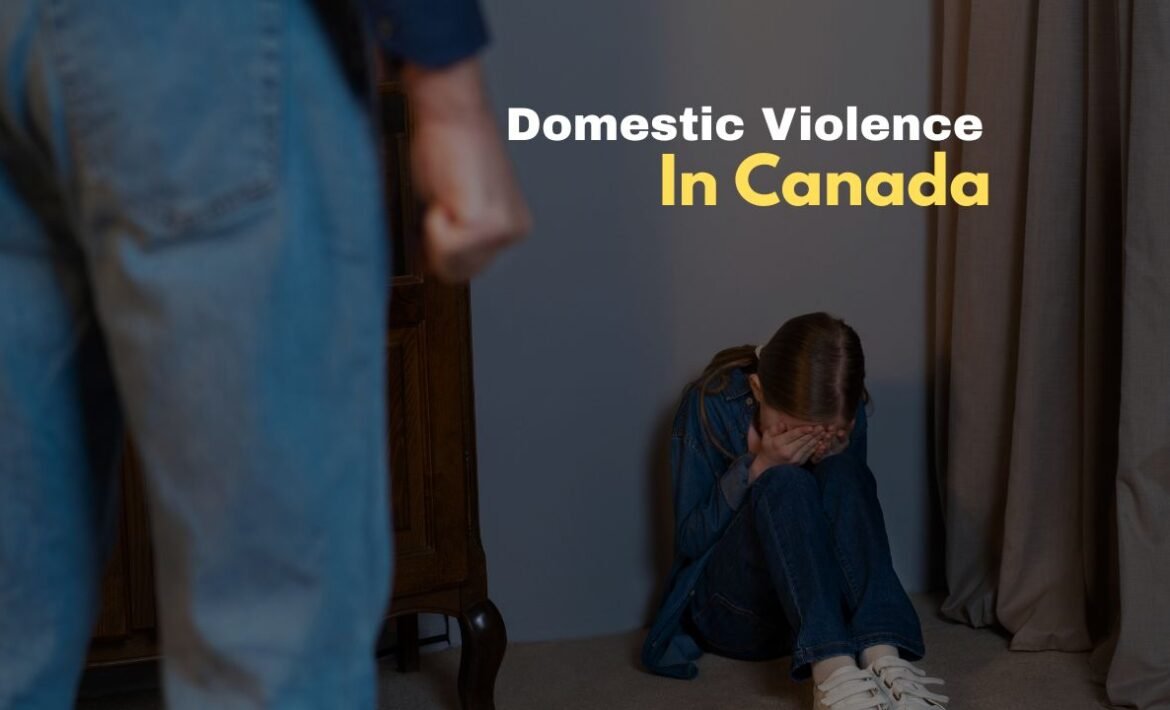

Domestic violence is a major societal problem that impacts Canadian families and people. It describes abusive actions one person uses to subjugate, scare, or hurt another in an intimate or family relationship. Anyone can experience domestic violence, independent of age, gender, income, culture, or background. It covers financial control, psychological damage, physical abuse, emotional manipulation, and sexual violence.
Although many victims still face obstacles when looking for help, Canada has produced robust legal safeguards and support systems to handle domestic violence. Creating safer communities depends on awareness of the causes, warning signs, and available resources.
Knowing Domestic Violence in Canada
Domestic violence is not only physical assault. It could show up in several forms, including:
Physical Abuse
Physical abuse is any action that causes harm or fear—e.g., hitting, shoving, strangling, or applying physical force. One act of violence might have major effects on the victim’s health and safety.
Emotional and Psychological Abuse
Emotional abuse includes threats, insults, humiliating treatment, separation from friends and family, and manipulative actions. This kind of mistreatment can seriously compromise someone’s mental health and self-assurance.
Sexual Exploitation
Sexual violence is someone’s unwanted sexual activity forced or pressured upon another person. Every relationship—including marriages and long-term relationships—calls for consent.
Financial Exploitation
In financial abuse, one person controls another’s access to money, employment, or financial resources. Victims may find it challenging to leave an abusive relationship because of this.

Causes and Danger Signals
Complex social, emotional, and behavioral elements drive domestic abuse. Some often cited risk elements are:
- Difficulties with substance abuse
- Unemployment and financial worry
- Social isolation
- Negative ideas regarding gender roles and relationships
Still, these elements do not justify violent behavior. The one choosing to use violence or control always bears the responsibility.
Effects of Domestic Abuse on Families and Victims
Long-lasting consequences for victims, children, and communities can result from domestic abuse.
Emotional and Physical Consequences
Victims could suffer anxiety, sadness, fear, and trouble trusting people in addition to physical harm. Many survivors also have difficulty rebuilding their lives following violent events.
Effects on Children
Children who see domestic abuse could have emotional discomfort, behavioral issues, and school difficulties. Future relationships and general growth can be shaped by exposure to violence.
Social and Economic Repercussions
Domestic abuse can compromise financial independence, housing stability, and job prospects. Survivors may need a lot of help to regain their confidence and sense of security.
Laws Governing Domestic Violence in Canada
In Canada, domestic violence is a serious criminal offense. Under Canadian law, acts of assault, sexual assault, criminal harassment, and threats can lead to criminal charges.
Law enforcement organizations throughout Canada may step in when danger is present. Courts can issue protection orders, including restrictions stopping an abusive person from getting in touch with or getting close to the victim.
Every province and territory also offers more initiatives and legal safeguards to help survivors.
Help Programs for Survivors
For those suffering domestic abuse, Canada has a wealth of materials available. These comprise:
- Emergency shelters and safe lodging
- Emergency assistance lines
- Counseling and mental health support
- Legal support
- Projects supported by the community
- Programs for financial and residential assistance
Those in instant danger should dial 911 to reach emergency services. Many regions also offer confidential crisis lines where people can get help and direction.
Stop Domestic Violence in Canadian Neighbourhoods
Individuals, families, educational institutions, businesses, and governments all help to stop domestic violence. Significant preventive measures include:
- Teaching others about good relationships
- From an early age, teaching respect and consent
- Helping survivors without judging
- Changing behaviors that legitimize violence
- Motivating those who resort to violence to get help programmes
Reducing stigma and motivating victims to seek help earlier depends much on public knowledge.
How Society Helps Survivors
Understanding warning signals and providing support to friends, relatives, neighbors, and coworkers can greatly help. Listening without judgment, protecting privacy, and pointing someone toward professional resources might offer much-needed support.
Support should be gentle and empathetic, as victims might struggle emotionally, financially, or with safety.
Conclusion
Still a big worry in Canada, domestic violence impacts thousands of people and families yearly. Although Canadian laws and support systems offer protection, ongoing knowledge, education, and community engagement are essential to stop abuse.
Building a society where everyone is safe calls for support for survivors, awareness of the indicators of domestic abuse, and advocacy for relationships founded on trust, equality, and respect. With group efforts, Canada may keep striving to reduce domestic abuse and safeguard defenseless people.