
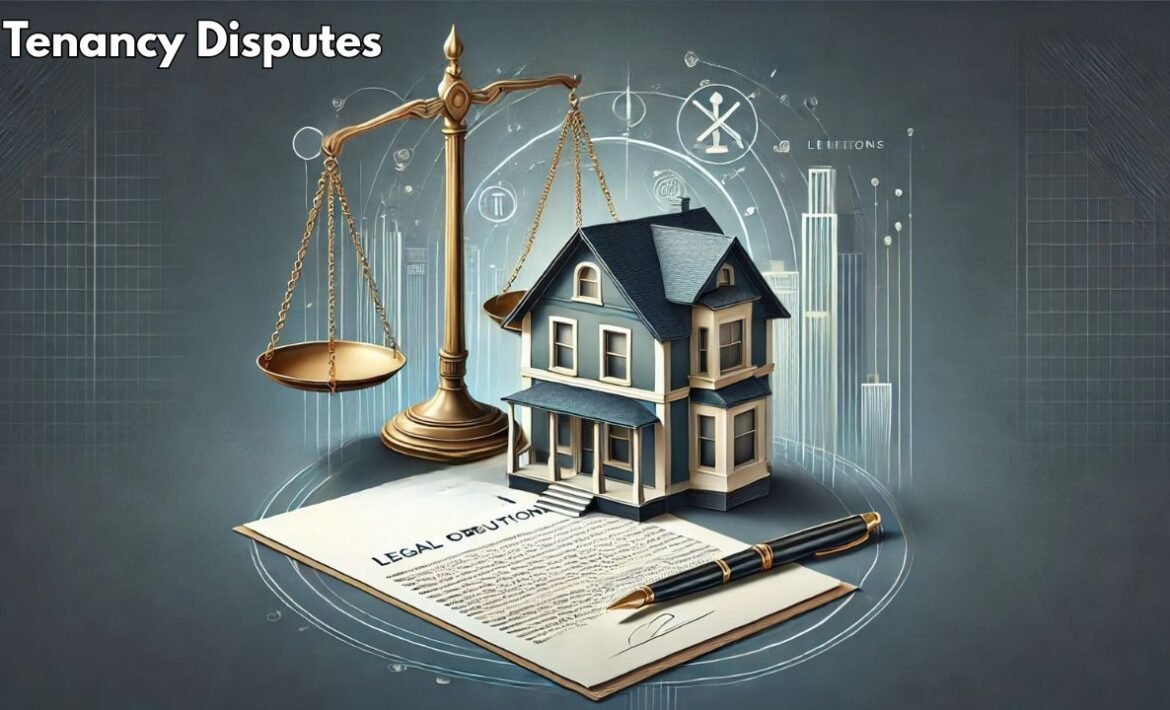

Although not all situations submitted to the Residential Tenancies Board (RTB) are successful, rental disagreements between landlords and tenants are frequent. A lot of claims collapse either because of preventable mistakes, inadequate preparation, or insufficient proof.
Knowing why conflicts fail can greatly boost your chances of winning if you want to file or defend a case. This guide details the main reasons why tenancy disputes at the RTB fall through and offers useful advice on how to win your case in 2026.
Lack of Adequate Documentation
Lack of proof is the most often cited cause of conflict failure. The RTB mostly depends on written evidence rather than oral arguments.
Common errors:
- There isn’t a written lease agreement.
- Lack of rent records
- No records of communication
How to win:
Keep accurate notes always, including:
- Signed lease agreements
- Historical payment data
- Emails, messages, or notifications
Good documentation improves credibility and effectively backs up your assertions.
Not Following Legal Processes
Many lawsuits fail as parties neglect the appropriate legal procedures specified in the Residential Tenancies Act.
Common errors:
- Delivering unlawful eviction notices
- Not providing adequate notice periods
- Ignoring legal deadlines
How to triumph:
Make sure you:
- Learn legal obligations.
- Utilize appropriate notice forms.
- Strictly adhere to deadlines.
Even a minor administrative mistake might cause the case to be dismissed.
Arguments that are either weak or inconsistent
The absence of a clear and logical argument is yet another major factor in the failure of conflicts. Your argument suffers if your narrative shifts or lacks consistency.
Common errors:
- Contradictory assertions
- Emotional reasoning in place of data-based ones
- Unrelated data
How Successful:
- Stay with data and timelines.
- Clearly and logically offer your argument.
- Just concentrate on pertinent topics.
A well-organized argument raises your credibility with the judge.
Not Showing Up for the Hearing
Many situations, ironically, fail only because one side neglects to show up for the hearing.
Typical errors:
- Missing planned hearings
- Refusing to answer RTB notifications
- Ignoring contact
How to Win:
- Go to every hearing on time.
- Get your paperwork ready ahead of time.
- Answer every RTB correspondence.
Should you not show up, the ruling could automatically go against you.
Misinterpreting Responsibilities and Rights
Many times, tenants and landlords misinterpret their legal rights, resulting in feeble claims.
Common Errors:
- Demanding entitlements that are not legally justified
- Disregarding responsibilities under the rental law
- Misunderstanding rental hike or eviction regulations
How to win:
- Learn your rights as per tenancy law
- If necessary, seek legal counsel
- Build your argument on real legal clauses
You get a great edge by knowing the law.
Extra Advice to Help You Win Your RTB Case in 2026
Follow these tried-and-true techniques to raise your chances of success:
Get Ready Like a Pro
Arrange your papers chronologically. Make a clear chronology of events.
Stay Professional and Calm
Refrain from using emotive language. Pay attention to information and proof.
- Write down how you talk to others.
- Write everything down so you have proof.
- Obtain professional guidance
Talk to a legal expert or a property counselor if your case is complicated.
Honesty and Openness
Giving untrue facts might ruin your reputation and result in punishment.
Conclusion
Tenancy conflicts at the RTB frequently collapse from simple yet important errors such as inadequate evidence, procedural mistakes, or insufficient planning. The good news is that these problems may be entirely avoided.
Maintaining accurate records, abiding by legal standards, and presenting a compelling, factual case will greatly raise your chances of success in 2026. Winning your disagreement depends on preparation, whether you are a tenant or a landlord.