

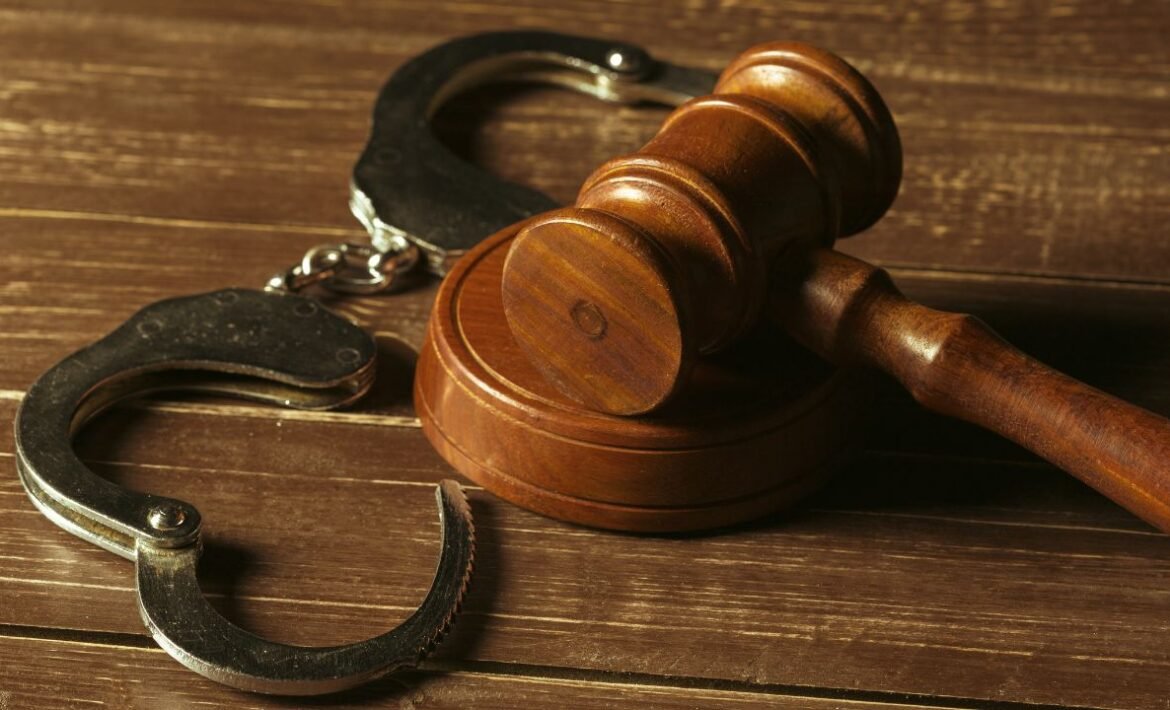

Canada’s criminal justice system is crucial for upholding law, order, and public safety. Its purpose is to guarantee that justice is fairly administered, defend human rights, and safeguard people. Canada keeps putting transparency, rehabilitation, and equal legal treatment at the forefront in 2026.
Students, immigrants, legal professionals, and the general public need to know how the Canadian criminal justice system operates. In basic language, this book describes the organization, main elements, and operation of Canada’s criminal justice system.
What Is The Criminal Justice System?
The criminal justice system is the name of the institutional and procedural network employed in crime management. It comprehends:
- Police departments
- Courts
- Lawyers and judges
- Correctional facilities
- Programs for rehabilitation
The system seeks to:
- Stop Crime
- Handle crimes justly
- Safeguard victims
- Rehabilitate convicts
- Preserve public faith in the law.

Important Elements of the Canadian Criminal Justice System
Police Departments
Usually, the first point of contact in criminal proceedings is a police officer. Their duties comprise:
- Looking into crimes
- Arresting Suspects
- Collecting data
- Safeguarding communities
In Canada, the following are among the main police organizations:
- Royal Canadian Mounted Police (RCMP)
- Provincial police forces
- Local police stations
Police have to respect the rights and freedoms guaranteed by Canadian law.
Canadian Judiciary
The court system is in charge of deciding whether someone is innocent or guilty.
The Canadian court system comprises:
Provincial Courts
These courts address:
- Small criminal offenses
- Violations of traffic law
- Family affairs
Superior Courts
They address:
- Severe criminal cases
- Appeals from lesser courts
- Supreme Court of Canada
This is the top court in the nation. It renders last judgments on important legal and constitutional issues.
The Crown Prosecutor
Criminal charges in Canada are handled by Crown prosecutors. Their goal is not only to guarantee convictions but also to ensure that justice is given fairly.
Crown prosecutors:
- Provide proof in court
- Look closely at witnesses
- Determine whether charges ought to proceed
They operate apart from the police.
Rights of the Accused in Canada
Under the Canadian Charter of Rights and Freedoms, Canada strongly safeguards individual liberties.
A person charged with a crime has the following rights:
- Do not speak
- Get legal counsel.
- Get a fair trial
- Be assumed innocent until proven guilty.
Central to the Canadian judicial system are these safeguards.
Types of Criminal Offences in Canada
Criminal offenses mostly fall into three categories.
Summary Offences
Less severe offenses like:
- Small robbery
- Public disorders
Usually, they bear lesser punishment.
Indictable Offences
These include major offenses like:
- Murder
- Robbery
- Drug trade
They entail longer court proceedings and harsher penalties.
Hybrid Criminality
Depending on the gravity of the offense, some crimes can be handled as either summary or indictable.
Among these are:
- Assault
- Deception
- Driving is impaired

Phases of a Criminal Case
1. Research
Police look into a possible crime and compile evidence.
2. Arrest and Indictment
If there is enough proof, police can apprehend and accuse a suspect.
3. Bail Hearing
The court determines if the defendant may remain free until trial.
4. The Course of Justice
A judge or jury hears proof from both sides.
5. Decision
The accused is found guilty or not guilty.
6. Punishment
If found guilty, the judge decides a suitable sentence.
Sentencing in Canada
Canadian courts place a lot of weight on balanced sentencing. Punishments could be:
- Fines
- Probation
- Community work
Incarceration
Judges take into account:
- The crime’s severity
- Criminal record
- Effects on victims
- Rehabilitation opportunities
Rehabilitation is still a key objective in Canada’s judicial system.
Rehabilitation and Correctional System
The Canadian Correctional System comprises:
- Provincial jails
- Federal penitentiaries
- Parole projects
Federal penitentiaries fall under the Correctional Service Canada’s purview.
Modern rehabilitation programs emphasize:
- Learning
- Support for one’s mental health
- Employment education
- Treating addiction
The aim is to lower repeat crimes and support felons in reintegrating into society effectively.
Canadian Youth Criminal Justice
Under the Youth Criminal Justice Act, Canada has a distinct system for young offenders.
This approach is especially centered on:
- Rehabilitation
- Reintegration
- Education
In several situations, juvenile offenders are handled differently from adults.
Problems the Canadian Criminal Justice System is Facing in 2026
The system presents numerous obstacles, notwithstanding its advantages:
- Delays in court
- Overpopulation in prisons
- Cybercrime rise
- Problems with mental health
- Native justice concerns
Reforms aiming to increase efficiency, justice, and access to justice persist in 2026.
Final Thoughts
Canada’s criminal justice system is founded on respect for human rights, accountability, and fairness. From court trials and rehabilitation initiatives to police inquiries, every component of the system seeks to preserve justice while safeguarding personal liberties.
Knowing how the system runs enables people to better grasp their rights, obligations, and the legal process in Canada.